

Korea, often called the “Land of the Morning Calm,” boasts centuries of rich cultural heritage. One of the most fascinating aspects of Korean culture is its gift-giving tradition. Traditional Korean gifts are not just tokens of appreciation but also windows into the country’s history, values, and craftsmanship. This article will delve into the world of traditional Korean gifts, exploring their significance, types, and where you can find these timeless treasures.
The Rich History of Traditional Korean Gifts

Korean gift-giving traditions date back centuries and are deeply rooted in the country’s history and culture. In ancient Korea, these gifts were often used to express respect, gratitude, and good wishes. They played a vital role in maintaining social harmony and strengthening personal and professional relationships.
A Glimpse into the Past
In the Joseon Dynasty (1392-1910), gift-giving was integrated into court rituals and diplomacy. The exchange of meticulously crafted gifts was a symbol of goodwill between nations and served to foster diplomatic relations. Many of the intricate art forms associated with Korean skills, such as embroidery and ceramics, reached their zenith during this period.
Symbolism in Korean Gifts
Traditional Korean gifts are not merely tokens of appreciation; they are laden with symbolism. Understanding the deep cultural significance of these symbols adds an extra layer of appreciation when giving or receiving traditional Korean gifts. The gift becomes a vessel for conveying well wishes and blessings. Each item has a distinct purpose, making giving and receiving even more meaningful. Some common symbols found in these gifts include:
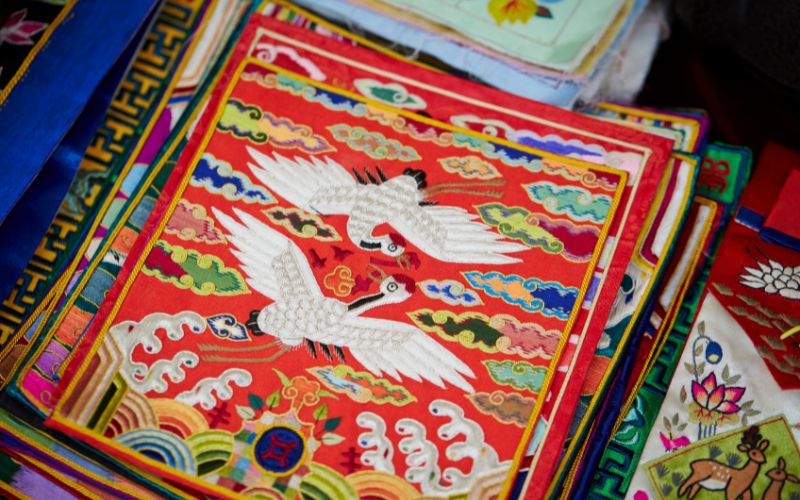
- Cranes: Various gifts use crane motifs to symbolize longevity and good fortune. The crane’s elegant and graceful appearance is synonymous with the aspiration for a long and prosperous life.
- Dragons: Representing power and protection, dragon-themed items are often gifted for important occasions. The dragon’s presence in Korean culture is linked to the belief in its ability to ward off evil spirits and bring good luck.
- Turtles: Symbolize longevity, and gifts featuring turtles are common at weddings and milestone celebrations. The slow and steady pace of turtles is associated with the hope for a long and fulfilling life.
Popular Traditional Korean Gifts
Traditional Korean gifts are a testament to the rich cultural heritage of Korea. They are thoughtful tokens of respect, gratitude, and good wishes. These gifts often carry deep symbolism, with each item representing unique virtues and sentiments. Some popular traditional Korean gifts include Hanbok (elegant Korean attire), Norigae (ornamental tassels), and Korean Tea Sets (for sipping serenity). These gifts encapsulate the essence of Korean traditions and make for meaningful presents on various occasions, from weddings to birthday gifts and beyond.
Hanbok – The Elegant Korean Attire

The Hanbok is the traditional Korean attire known for its exquisite embroidery and vibrant colors. It makes for a memorable gift, especially during weddings or formal ceremonies. Hanboks come in various styles and designs, suitable for both men and women.
Norigae – Ornamental Tassels with Meaning
Norigae is a traditional Korean ornament of colorful silk threads, beads, and charms. They are often hung from the strings of a hanbok or used as decorative accessories. Norigae carries personal meanings, and gifting one conveys good wishes and blessings.
Korean Tea Sets – Sip Serenity
Korea is famous for its tea culture, and a Korean tea set can be a thoughtful and elegant gift. These sets typically include a teapot, teacups, and other accessories. They are perfect for tea enthusiasts and those who appreciate tranquility in a cup.
Hanji Crafts – Artistry in Paper
It is a traditional Korean handmade paper known for its durability and beauty. Hanji crafts make unique and artistic gifts, such as lamps, fans, and notebooks. They showcase the skill and creativity of Korean artisans.
The Modern Twist
While traditional Korean gifts continue to captivate with their cultural significance, they have also evolved to cater to contemporary tastes. Modern twists on standard items like hanboks, electronic norigae, and fusion cuisine gift sets are now available, making it easier to find the perfect gift that blends tradition with modernity.
The Art of Selecting the Perfect Korean Gift
When selecting a traditional Korean gift, it’s essential to consider the recipient’s preferences and the occasion. Here are some tips to help you choose the perfect gift:
Know the Occasion
Different occasions call for other gifts. Consider the significance of the event when making your choice. A wedding gift might be different from a birthday gift. For weddings, consider a Hanbok or a Norigae. For a tea enthusiast, opt for a Korean tea set.
Consider the Recipient
Think about the recipient’s interests and hobbies. Do they appreciate art, music, or traditional culture? Tailoring the gift to their preferences shows thoughtfulness. Consider their favorite colors, hobbies, or any connection to Korean culture.
Learn About Symbolism
If you want your gift to carry specific wishes, take the time to learn about the symbolism behind traditional Korean gifts, as each has a unique symbolism associated with them. This will help you select a gift that conveys your sentiments effectively.
Quality Matters
Ensure that the gift you choose is of high quality. Authenticity and craftsmanship are essential factors to consider. Please do your research and buy from reputable sellers during online shopping for traditional Korean gifts because it’s necessary to prioritize quality to ensure you receive products that genuinely reflect Korean culture and heritage.
Presentation Is Key
The way you present the gift also matters. Wrap it beautifully and include a heartfelt note to make the gesture more meaningful.
Conclusion
Traditional Korean gifts are not just presents; they are expressions of culture, history, and profound emotions. Whether you’re attending a Korean event, celebrating a special occasion, or want to share the beauty of Korean culture, these gifts offer a timeless charm that both giver and receiver will cherish. So, the next time you think of a meaningful gift, consider the allure of traditional Korean gifts, and you’ll share a piece of Korean heritage with someone you hold dear.
FAQs
1. Are traditional Korean gifts suitable for any occasion?
Traditional Korean gifts are suitable for various occasions, such as weddings, birthdays, anniversaries, and holidays. They carry a cultural significance and can convey best wishes for different events.
2. Where can I purchase traditional Korean gifts?
You can find traditional Korean gifts in Korea’s local markets, specialized gift shops, and online marketplaces. Be sure to buy from a reputable source to ensure authenticity and quality.
3. Do traditional Korean gifts have specific symbolism?
Many traditional Korean gifts have symbolic meanings. For example, Norigae symbolizes good luck, while Hahoe masks represent various characters with a unique story and significance.