

In an era dominated by digital presence and branding, graphic design has become a pivotal aspect of business. From crafting eye-catching logos to designing engaging social media graphics, graphic designers play a critical role in enhancing a company’s visual identity. Many talented individuals now leverage their graphic design skills to start successful home-based work. In this article, we will explore the home business graphic design world, providing valuable insights, tips, and guidance for those looking to embark on this creative and lucrative journey.
Power of Graphic Design in the Digital Age

The role of graphic design has become nothing short of indispensable. As businesses strive to stand out in the digital landscape, graphic designers have emerged as key players in shaping their online presence and brand identity. In this section, we will delve into the profound impact of graphic design in the digital age, highlighting its critical role in modern business and communication.
The Role of Graphic Design in Business
In today’s digital age, visual communication is more crucial than ever. Graphic design serves as the bridge between businesses and their target audience. It helps convey messages, evoke emotions, and establish brand identities. From website aesthetics to marketing materials, companies rely on graphic designers to create visually appealing content that captivates consumers.
The Growing Demand for Graphic Designers
The demand for skilled graphic designers is on the rise. With businesses striving to stand out in crowded markets, the need for high-quality design work has never been greater. Organizations seek graphic designers, from small startups to large corporations, to enhance their visual presence.
Setting Up Your Home Business
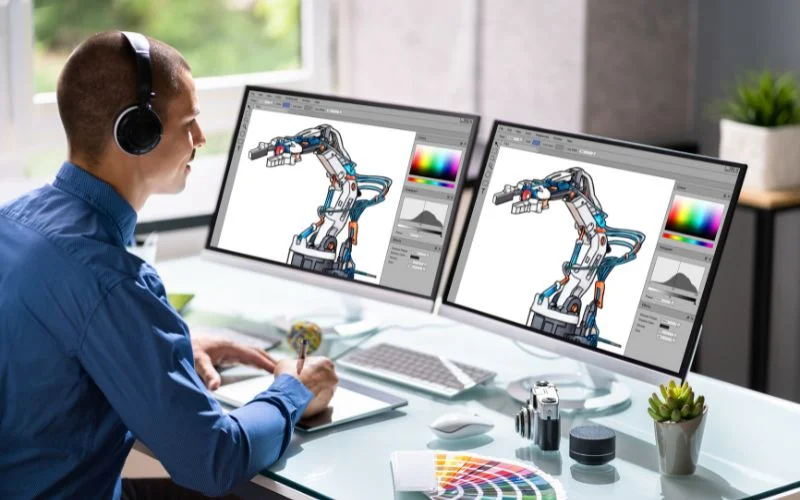
Launching a home-based graphic design business requires careful planning and organization. Your workspace, equipment, and software are the foundations upon which your creative business will thrive. Here, we’ll delve into the essential steps for setting up a professional home-based graphic design operation.
Creating a Professional Workspace
The first step in establishing your home-based graphic design business is setting up a professional workspace. Choose a quiet, well-lit area that is free from distractions. Invest in ergonomic furniture and equipment to ensure comfort and productivity during long work hours.
Investing in Essential Equipment and Software
To excel in graphic design, you’ll need the right tools. Invest in a powerful computer with sufficient RAM and storage capacity. High-quality graphics tablets or digital pens can significantly enhance your design capabilities. Additionally, subscription-based design software like Adobe Creative Cloud is essential for professional-grade design work.
Building Your Portfolio and Skill Set
As a graphic designer embarking on a home-based business, your portfolio and skill set are your most valuable assets. They not only showcase your capabilities but also attract potential clients. Let’s explore how to build an impressive portfolio and continuously enhance your skills.
Showcasing Your Work: The Portfolio
Your portfolio is your showcase of skills and creativity. Compile a diverse range of your best work to demonstrate your capabilities to potential clients. Include various design projects, such as logos, posters, website layouts, and branding materials, to showcase your versatility.
Continuous Learning and Skill Enhancement
The graphic design field is dynamic, with trends and technologies evolving rapidly. Stay ahead of the curve by continuously learning and improving your skills. Enroll in online courses, attend workshops, and explore new design trends to ensure your work remains fresh and relevant.
Finding Your Niche in Graphic Design

Discovering your niche in the vast field of graphic design can be a defining moment in your home-based graphic design business. Specialization sets you apart from the competition and allows you to focus on projects that truly resonate with your passion and expertise. Let’s explore how to identify your niche and excel within it.
Exploring Different Specializations
Graphic design is a broad field encompassing various specializations such as web design, logo design, illustration, and packaging design. Identify the niche that aligns with your interests and strengths. Specializing can help you stand out in a competitive market.
Identifying Your Target Audience
Understanding your target audience is crucial for tailoring your design services effectively. Consider the industries or businesses you want to work with and adapt your portfolio and marketing strategies accordingly.
Marketing Your Home Business
Launching a home-based graphic design business is just the beginning. To thrive in a competitive market, you must effectively market your services and establish a strong online presence. This section will explore strategies for selling your home business and connecting with potential clients.
Establishing an Online Presence
Create a professional website and portfolio to showcase your work and make it easy for potential clients to find you online. Utilize social media platforms like Instagram, LinkedIn, and Behance to share your portfolio and engage with your audience.
Networking and Collaboration
Networking is essential for expanding your client base. Attend industry events, join online design communities, and collaborate with other professionals to build valuable connections. Referrals and word-of-mouth recommendations often stem from a robust network.
Managing Finances and Pricing Your Services
Financial management is critical to running a successful part-time work. Efficiently managing your finances and pricing your services appropriately ensure long-term sustainability. Let’s explore key financial considerations and strategies for setting the right prices for your graphic design services.
Financial Management and Budgeting
Effective financial management is critical to the success of your home-based graphic design business. Create a detailed budget that accounts for both business and personal expenses. Keep accurate records of income and expenses to ensure financial stability.
Determining Your Pricing Strategy
Pricing your design services appropriately can be challenging. Consider factors such as your experience level, the project’s complexity, and industry standards when setting your rates. Be transparent with clients about pricing to build trust.
Handling Clients and Projects
Effectively managing clients and projects is essential for the success of your home-based graphic design business. Clear communication, efficient workflows, and stellar project execution are key to maintaining happy clients and building a strong reputation. Explore best practices for handling clients and projects in your graphic design venture.
Effective Communication
Clear and open communication with clients is essential for project success. Listen carefully to their needs, ask questions, and provide regular updates on project progress. Promptly address any concerns or feedback to maintain a positive client relationship.
Project Management Tips
Effective project management is key to delivering quality work on time. Use project management tools and software to organize tasks, set deadlines, and track progress. Break down projects into manageable stages to ensure efficient workflows.
FAQs
1. Do I need a formal education to start a home-based graphic design business?
Formal education can be beneficial but not always necessary. Building a strong portfolio and continuously improving your skills are often more important.
2. How do I determine fair pricing for my graphic design services?
Consider your experience, project complexity, and industry standards. Research what other designers charge and adjust your rates accordingly.
3. What software do I need for graphic design work at home?
Popular software choices include Adobe Creative Cloud (Photoshop, Illustrator, InDesign), CorelDRAW, and Affinity Designer. The specific software you need may depend on your niche and project requirements.